Getting the most out of your alfalfa stand comes down to a few key management habits. Here’s what to focus on:
Grazing and cutting management
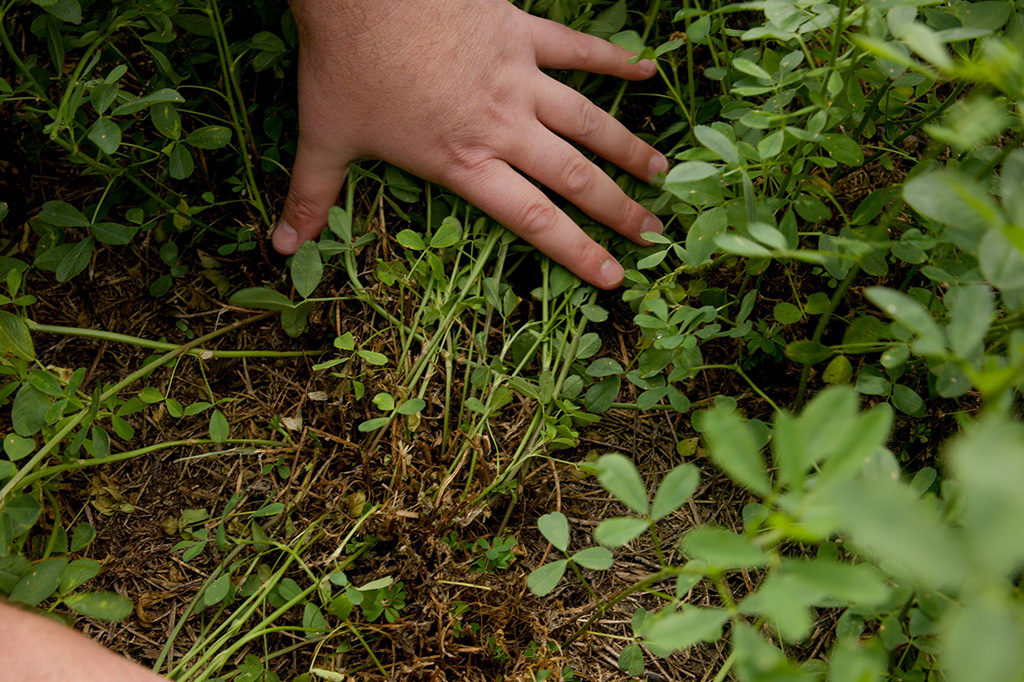
For grazing, the most reliable signal to re-enter a field comes from the base of the plant — look for 2–3cm shoots emerging from the crown on at least half your plants. That’s your indicator that root energy reserves have been sufficiently replenished and the stand can handle another grazing without being set back. Go in earlier than that and you’re drawing on reserves the plant hasn’t yet rebuilt.
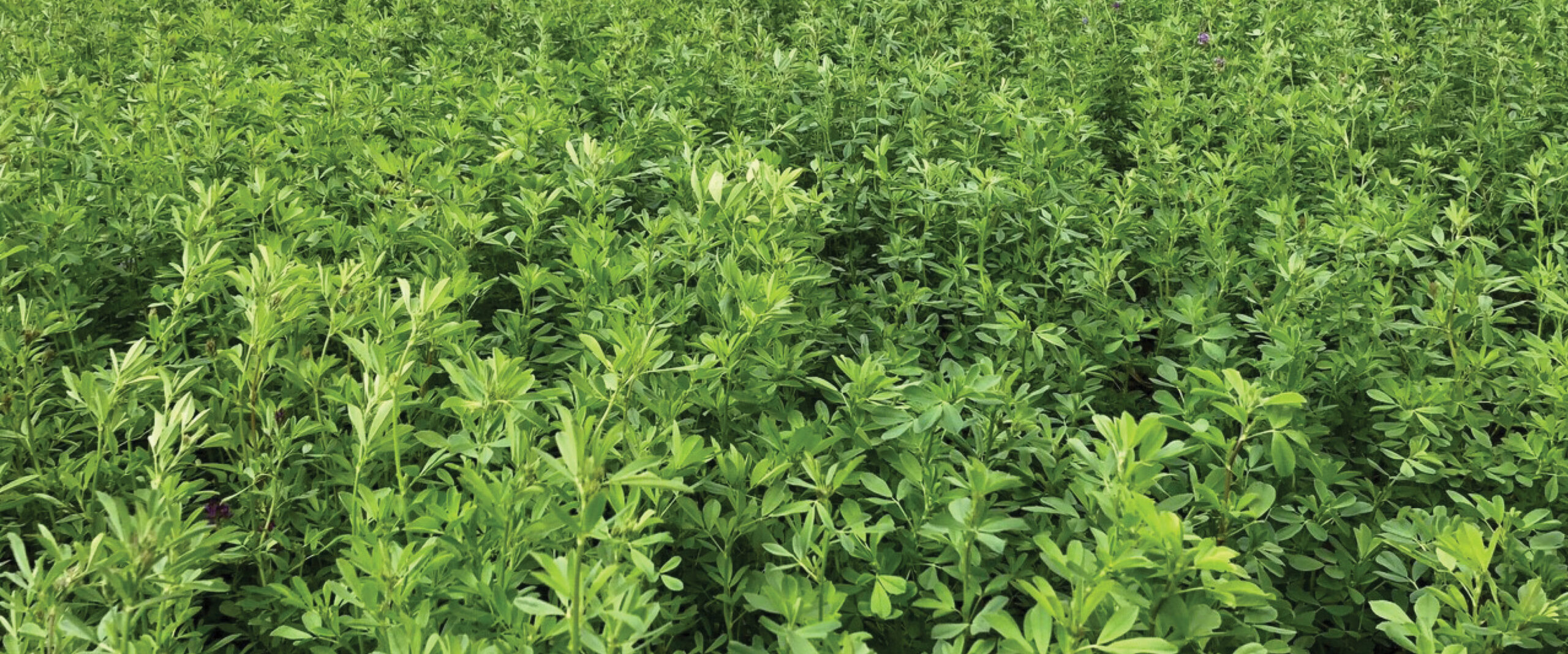
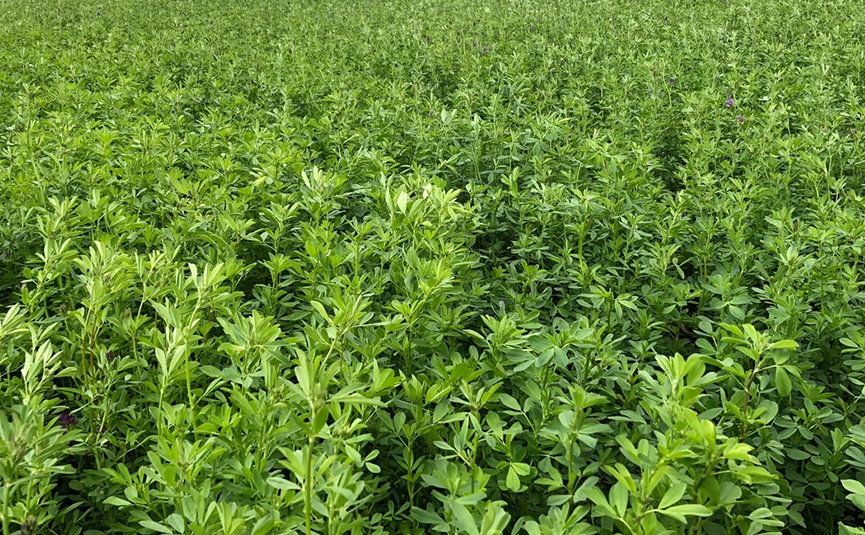
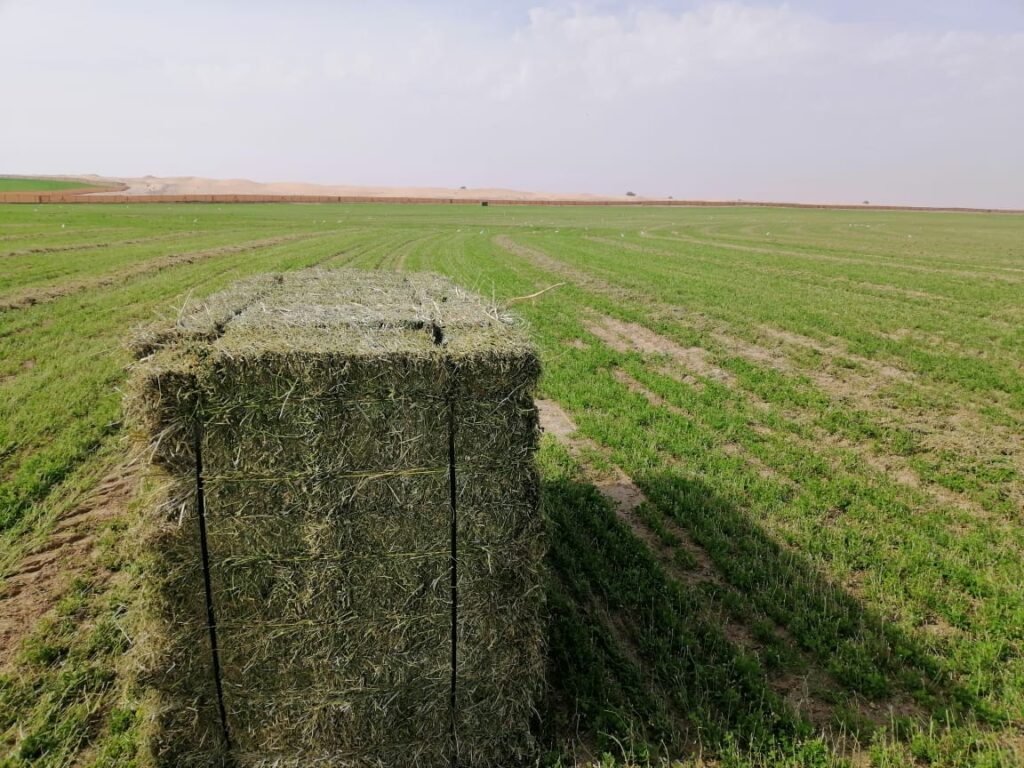
For hay and silage, timing is determined from the top of the crop. Cutting at early to mid-bud captures the highest leaf-to-stem ratio and the best protein and energy values. As the plant moves toward full flower, stem material increases, fibre rises and feed quality drops.
As a general guide:
- Cut at around 10% flower to support persistence
- Allow at least one full-flower cut per year to help replenish root reserves
- Avoid cutting intervals shorter than 28 days unless conditions are ideal
More frequent cuts might seem like it would increase yield, but cutting too often is one of the quickest ways to shorten stand life. Give the plant time to recover properly and it’ll keep performing for longer.
Protect crown health
Graze rotationally rather than continuously, and avoid putting stock onto fields under stress. Rotational grazing gives each plant time to recover between defoliations, which is what keeps tiller numbers strong over time.
Soil fertility and nutrition
Phosphorus and potassium deficiencies can reduce shoot development well before any visible symptoms appear, so don’t wait until the plant looks stressed to act. Use soil test results to keep nutrient levels up, particularly after hay cuts, when the plant is working hard to recover.
Water management and stress reduction
Avoid grazing or running machinery over waterlogged fields where you can. Compaction and trampling in wet conditions can cause lasting damage to stand density and persistence. Keep on top of your drainage so water moves off fields quickly and doesn’t sit around the crown, which can cause rot and reduce stand longevity.
If you need to run higher stocking rates, strip grazing with electric fencing is a practical way to improve fodder utilisation and keep stand damage to a minimum.
Variety selection
Not all alfalfa varieties handle repeated defoliation the same way. Selecting varieties bred for persistence and strong regrowth gives your stand the best chance of lasting. Especially in irrigated or high-cut systems as the right variety can handle more frequent cutting without the stand thinning out over time.