
-

Establishing a high-performing alfalfa crop

From soil pH and drainage to variety choice and sowing depth, learn how to set your alfalfa crop up for strong establishment and long-term performance.

In this article

With the right setup, alfalfa can deliver high-quality feed, strong year-round production, and improved soil health

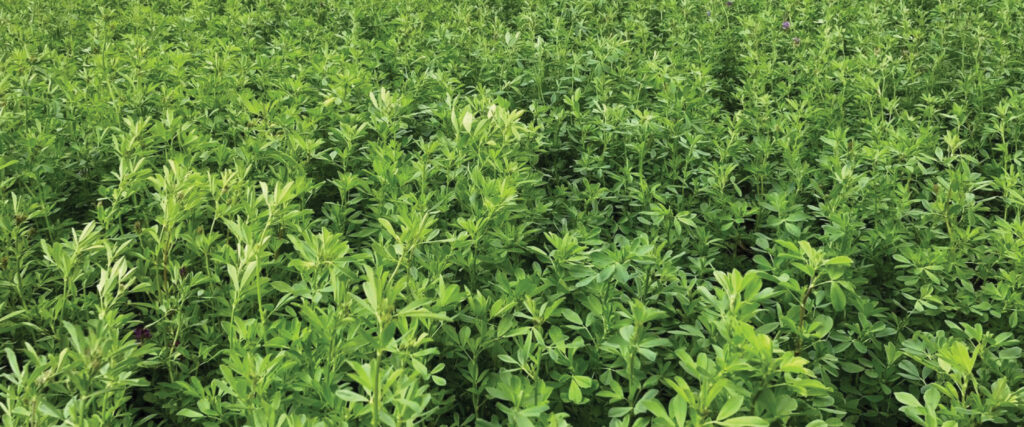
From soil pH and drainage to variety choice and sowing depth, getting the basics right makes all the difference to stand longevity, productivity and resilience.

Great seed is just the starting point. Here’s what to get right before sowing, to set your farmland up for success.
Why grow alfalfa?

Alfalfa is a long-term pasture investment that pays off with:

  • High-quality feed — protein-rich, palatable, and digestible
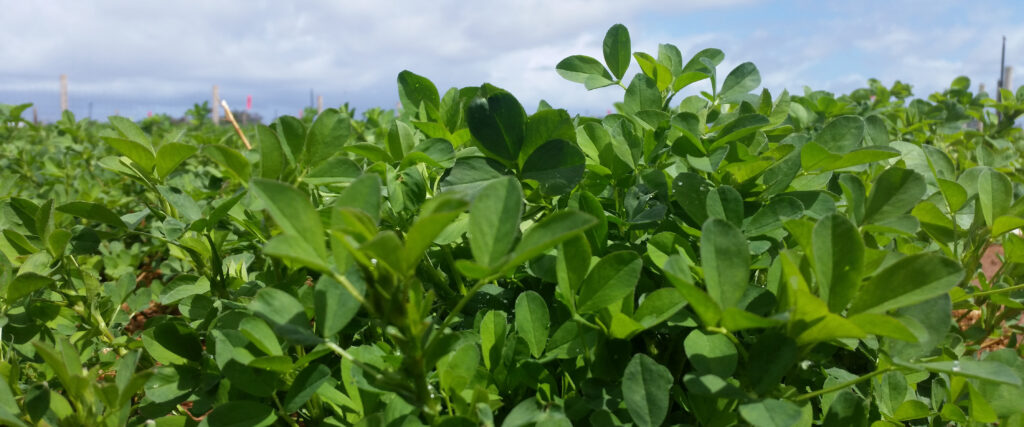
  • Resilience — deep roots chase moisture and recover quickly
  • Soil benefits — improves nitrogen and supports soil structure

With the right setup, alfalfa works hard across hay, grazing and rotation roles.

Choosing the right field

For successful establishment, aim for:

  • Soil pH (CaCl₂) between 5.0–7.5
  • Alfalfa is highly sensitive to waterlogging — choose well-drained fields to avoid crown disease and plant loss
  • If residual herbicides may be present, speak to your agronomist about risk before sowing

Industry best practice suggests conducting a soil bioassay or delaying planting if residual chemistry is a concern.

Preparing your seedbed

Alfalfa seed is small and sensitive. A well-prepared seedbed:

  • Is firm, level and lightly cloddy
  • Has good soil moisture to a depth of 20cm
  • Is weed-free before sowing, use knockdowns and pre-emergents 

Drill vs broadcast — what actually works?

Alfalfa performs best when it’s drilled into a prepared, level, and weed-free seedbed.

Broadcast sowing can work in certain oversowing or renovation scenarios, but generally:

  • Drilling gives better seed placement and moisture contact
  • Broadcasting carries more risk of shallow, uneven emergence

If broadcasting is necessary, always roll after sowing to improve seed-to-soil contact.

Picking the right variety

Choosing the right variety means matching dormancy, cutting pressure, soil type and production goals.

Dormancy 1–3: Highly dormant (winter hardy)

  • Best suited for cold climates with harsh winters
  • Strong winter survival and long-term stand persistence
  • Lower yield potential compared to more active varieties 
  • Ideal for grazing systems or rotational hay production in temperate regions

Dormancy 4–5: Semi-dormant

  • Suitable for diverse climates where both winter survival and good seasonal production are needed
  • Provides a good balance between persistence and winter growth
  • Higher persistence than winter active varieties
  • Suitable for both hay and grazing systems

Dormancy 6–7: Winter active

  • Higher forage yield potential but slightly lower persistence
  • Performs well in mild winters and warm temperate regions
  • Ideal for cut-and-carry systems and frequent hay or silage production

Dormancy 8–10: Non-dormant (highly winter active)

  • Strong year-round growth in warm regions
  • Higher yield potential but reduced stand life
  • Suited for intensive hay and silage production or grazing in warmer climates 

Getting sowing right

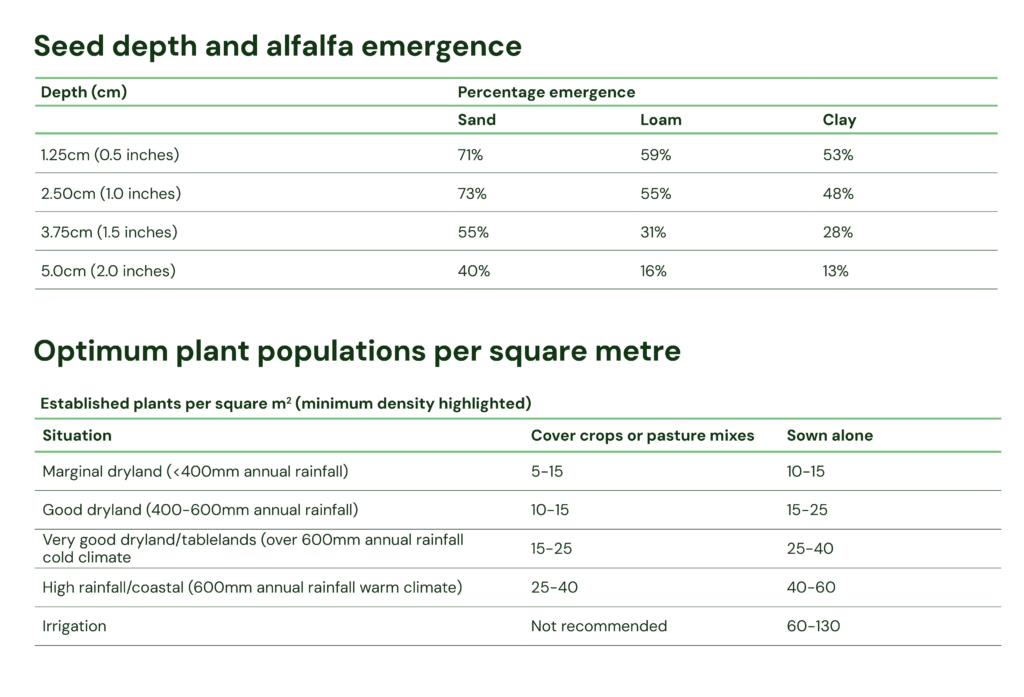
Sow at 5–15mm depth — no deeper

Target plant densities:

  • Dryland: 20-90 plants/m²
  • Irrigated: 130+ plants/m²

Check stands within the first 8 weeks of sowing. Patchy or weak establishment identified at this stage is best addressed through oversowing – early intervention protects long-term yield potential.

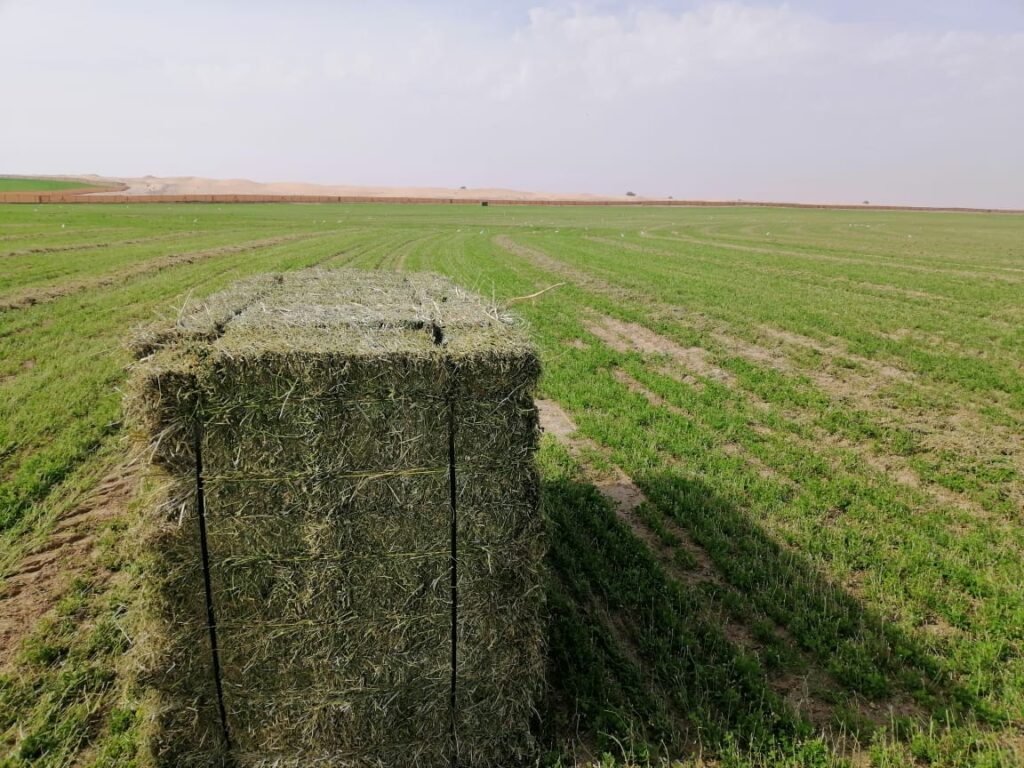
Great alfalfa hay starts with how you set up your crop. Poor drainage, uneven plant density or excess weed growth early on can directly affect your ability to meet feed quality targets.

High-quality alfalfa hay means measurable feed value, digestibility, protein, fibre content, and leaf retention – not just how it looks in the bale. Whether you’re feeding on-farm or seeking to sell in premium hay markets, these are the standards to work towards from day one.

Ready for next steps?

When established correctly, alfalfa delivers quality feed and strong regrowth for many years. With the right field preparation and variety selection, alfalfa can be a highly rewarding crop that keeps delivering season after season.

If you’re preparing to sow alfalfa, here’s what to explore next in the Alfalfa Advisor Series:


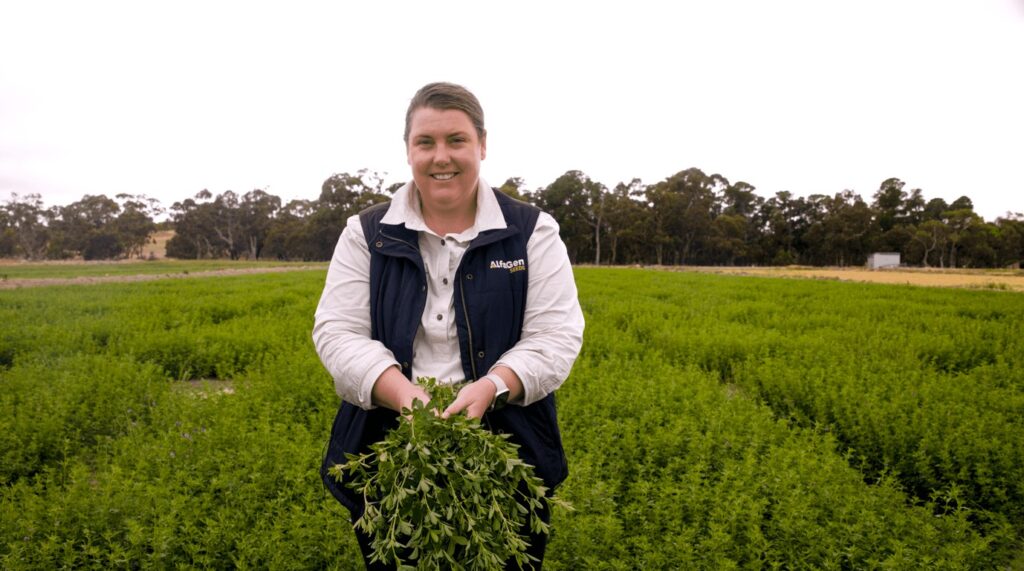
Want to know more? Contact our AlfaGen Seeds team for more information about planning for a successful establishment. 

While we don’t supply seed directly to farmers, AlfaGen products are available through trusted distributing partners. If you don’t know who your local distributor is, please reach out via the enquiry form and we can assist. 

You might also like