
-

When to cut and how to feed alfalfa for value

Timing your alfalfa cut is critical. Learn when to harvest, how to store, and how to feed alfalfa safely for maximum value and persistence.

When to cut and how to feed alfalfa for value

In this article

Harvesting alfalfa is one of the biggest decisions that affects animal performance, stand persistence, and long-term productivity. If you cut alfalfa too early,  you risk losing yield. However, if you cut too late, then feed quality drops. 

Here’s how to make the most of your first cut and feed.
Reading the plant: the most reliable cutting signal

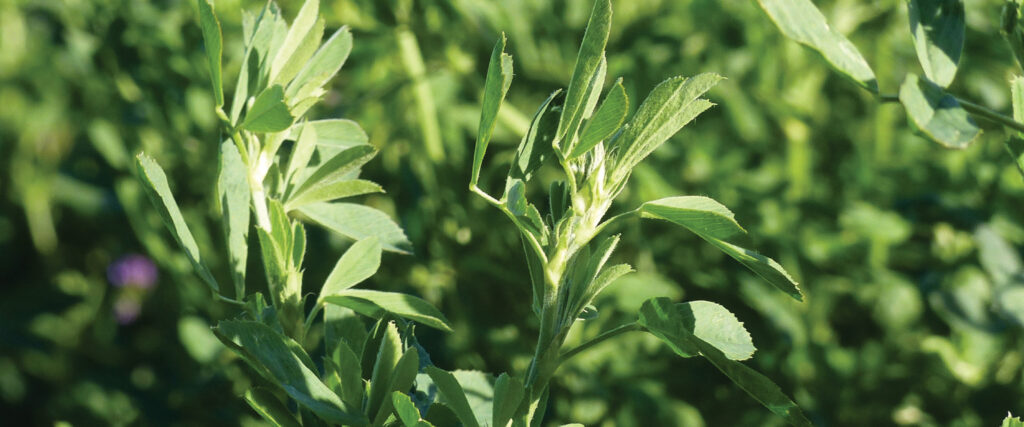
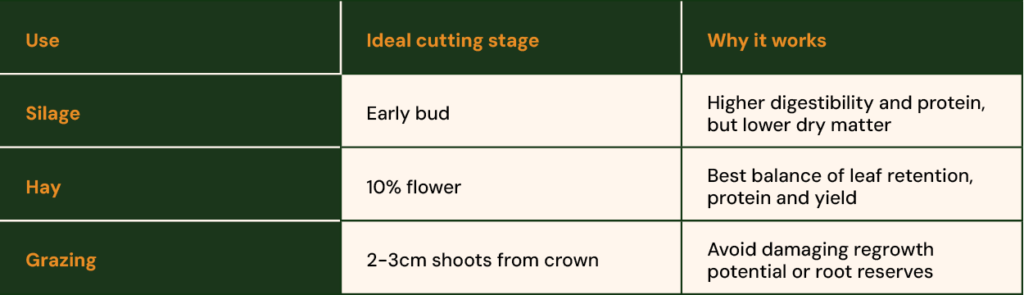
For hay and silage, timing is determined from the top of the crop – specifically the flowering stage. Cutting at early to mid-bud captures the highest leaf-to-stem ratio and therefore the best protein and energy values. As the plant moves toward full flower, stem material increases, fibre rises, and feed quality drops.

For grazing, the signal comes from the base of the plant rather than the top. The most reliable indicator of when it’s safe to re-enter is the appearance of 2-3cm long shoots from the crown on just over half the plants. Those shoots signal that root energy reserves have been sufficiently replenished and the stand can handle another defoliation without being set back. If you graze before that point you’re drawing on reserves the plant hasn’t yet rebuilt.

When to cut/graze: hay vs silage

The best time to cut depends on your end use:

Tip: Let it reach full flower once per year (usually final cut) to support persistence.

Storing alfalfa correctly

Alfalfa hay and silage are both high-value feeds – but need to be handled properly.

Hay storage tips:

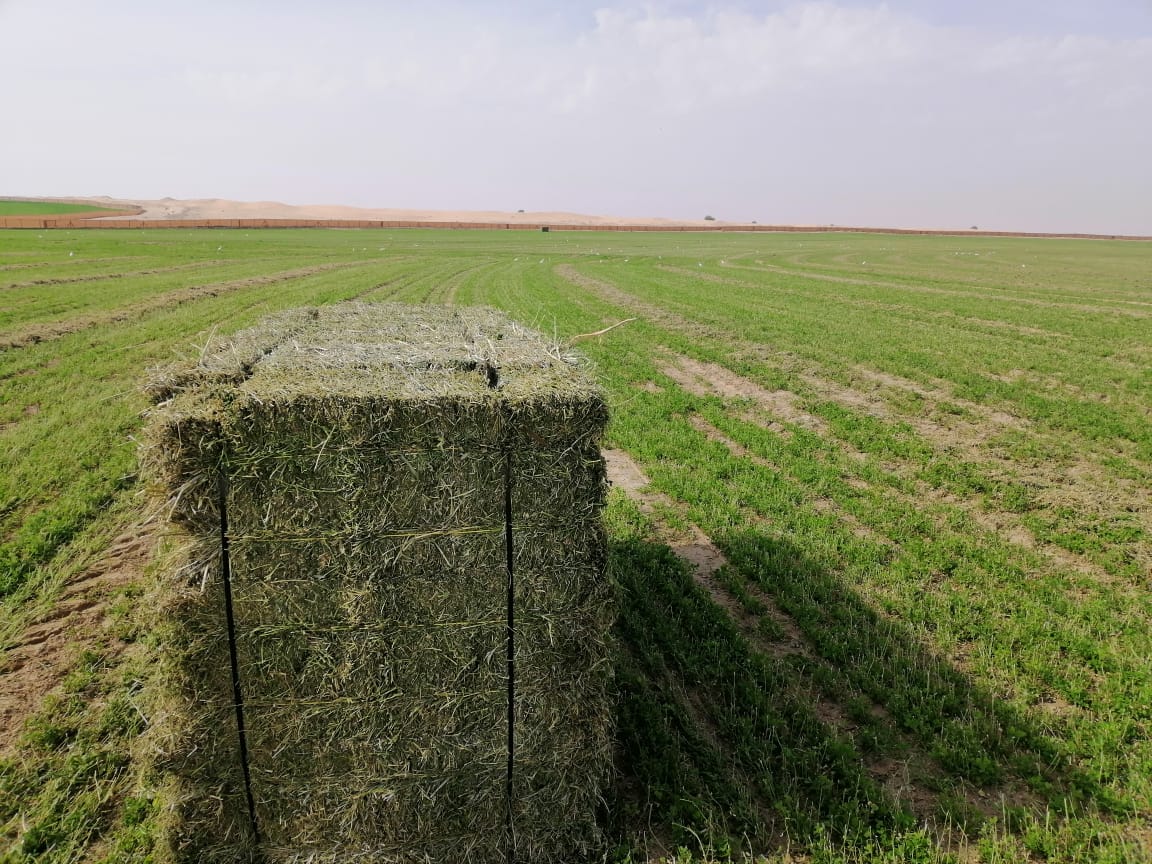
  • Target <12% moisture at baling
  • Bale density should be firm (300kg/m³+ for big squares)
  • Store undercover or under high-grade hay caps
  • Stack on pallets to avoid bottom layer spoilage

Silage tips:

  • Wilt to 35–40% DM before ensiling
  • Chop length: 1.5–3cm for better packing
  • Compact fast and seal tight — oxygen is your biggest risk

Feeding alfalfa to livestock

Alfalfa is high in protein, calcium and energy — but like any high-quality feed, it needs to be balanced in the ration.

Risks if overfed (especially to cattle):

  • Bloat
  • Nitrate poisoning
  • Red gut (in sheep)

Best practice:

  • Introduce slowly, especially to hungry stock
  • Always provide roughage and fibre
  • Use licks or buffers in high-alfalfa diets

Cutting height

How high you leave the stubble after cutting affects both regrowth speed and stand longevity. Cutting too low removes the growing points at the base of the plant and forces regrowth from root reserves alone, which slows recovery and puts additional stress on the stand. A cutting height of around 5–7cm is generally considered best practice, low enough for clean hay but high enough to leave basal buds intact and support faster regrowth.

Cutting frequency vs persistence

While more frequent cuts may seem advantageous, cutting too often reduces stand longevity. To maximise your alfalfa stand for as long as possible, follow these suggestions:

Minimum regrowth period – Let basal shoots grow to 2-3cm before recutting or grazing.

  • Cutting at 10% flower improves persistence
  • Allow one full-flower cut per year to replenish root reserves
  • Avoid short intervals (<28 days) unless conditions are ideal

For irrigated or high-yield systems, strong regrowth varieties give you more flexibility without sacrificing stand life.

Avoid grazing waterlogged fields where you can. Soil compaction and trampling cause lasting damage to stand density and persistence. If high stocking rates are required, strip grazing with electric fencing improves fodder utilisation and reduces stand damage.

Cut well. Feed better. Plan ahead.

Whether you’re looking for premium hay or silage, cutting alfalfa correctly sets you up for quality feed and a longer-lasting stand.

Watch your timing, let your stand recover, and feed smart — alfalfa has plenty to give, if you manage it well.


These articles can help with recovery, regrowth and planning for the next phase: 

While we don’t supply seed directly to farmers, AlfaGen products are available through trusted distributing partners. If you don’t know who your local distributor is, please reach out via the enquiry form and we can assist. 

You might also like